Behind the Scenes of Professional Recording Studios
The world of music production often seems shrouded in mystery. For many, the allure of a professional recording studio is akin to stepping into a magical realm where creativity meets technology. But what really happens behind those soundproof walls? In this post, we will explore the inner workings of professional recording studios, shedding light on the equipment, processes, and people that bring music to life.

The Anatomy of a Recording Studio
Studio Layout
A typical recording studio is designed with specific areas to facilitate different aspects of music production. Here are the main components:
Control Room: This is where the sound engineer works, surrounded by mixing consoles, monitors, and various audio processing equipment. The control room is designed for optimal acoustics, allowing for precise sound mixing.
Live Room: This area is where musicians perform. It is often larger and designed to capture the best sound possible. The live room may include various instruments, microphones, and soundproofing materials to enhance the recording quality.
Isolation Booths: These small rooms are used for recording vocals or specific instruments without interference from other sounds. They are heavily soundproofed to ensure clarity.
Vocal Booth: Similar to isolation booths, vocal booths are specifically designed for vocal recordings. They often include high-quality microphones and acoustic treatment to capture the best vocal sound.
Essential Equipment
A professional recording studio is equipped with a range of tools that are crucial for high-quality music production. Here are some key pieces of equipment:
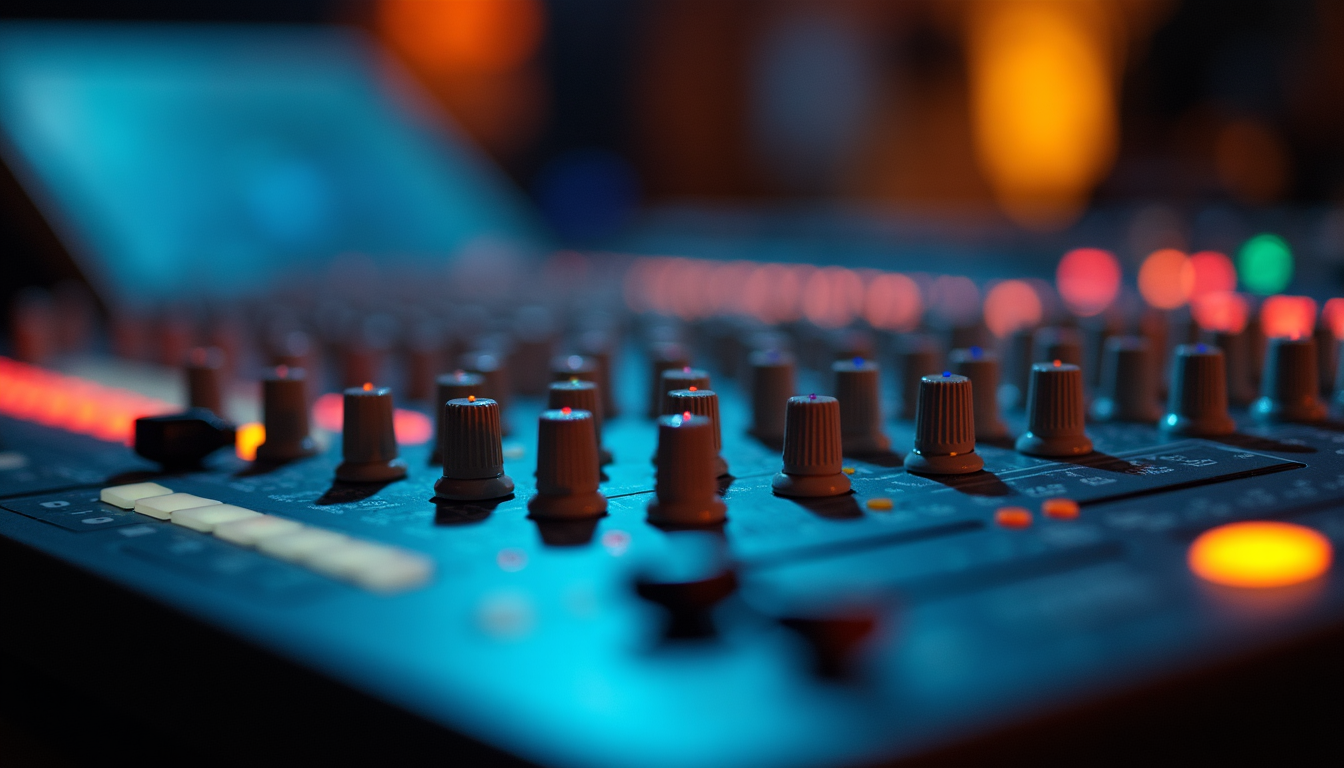
Mixing Consoles: These are the heart of the control room. They allow sound engineers to adjust levels, panning, and effects for each track.
Microphones: Different types of microphones are used for various instruments and vocals. Condenser mics are popular for vocals, while dynamic mics are often used for live instruments.
Audio Interfaces: These devices convert analog signals into digital data, allowing for recording on computers. They are essential for connecting microphones and instruments to a digital audio workstation (DAW).
Monitors: Studio monitors are specially designed speakers that provide a flat frequency response, allowing sound engineers to hear the true sound of the mix.
Digital Audio Workstations (DAWs): Software like Pro Tools, Logic Pro, or Ableton Live is used for recording, editing, and mixing music. DAWs have become the backbone of modern music production.
The Recording Process
Pre-Production
Before any recording takes place, pre-production is essential. This phase involves planning the project, including song arrangements, instrumentation, and rehearsal schedules. Here are some key steps:
Song Selection: Artists and producers choose which songs to record, often considering the overall theme of the album.
Arrangements: Musicians work on the arrangement of each song, deciding on instrumentation, tempo, and dynamics.
Rehearsals: Bands or solo artists rehearse to ensure they are well-prepared for the recording session.
Recording
Once pre-production is complete, the recording phase begins. This is where the magic happens. Here’s how it typically unfolds:
Tracking: Musicians record their parts, often one at a time. This allows for better control over each element of the song. For example, drums may be recorded first, followed by bass, guitars, and vocals.
Overdubbing: After the initial tracking, additional parts can be added. This might include harmonies, backing vocals, or extra instruments.
Editing: Once all parts are recorded, the editing process begins. This includes cutting, moving, and adjusting tracks to ensure everything fits perfectly.
Mixing
Mixing is a crucial step in the recording process. It involves balancing all the recorded elements to create a cohesive sound. Here’s what happens during mixing:
Level Adjustments: The sound engineer adjusts the volume levels of each track to ensure clarity and balance.
Panning: Instruments are placed in the stereo field, creating a sense of space. For example, a guitar might be panned slightly to the left, while keyboards are panned to the right.
Effects: Various effects like reverb, delay, and compression are added to enhance the sound. These effects can significantly change the character of a track.
Mastering
The final step in the recording process is mastering. This involves preparing the mixed tracks for distribution. Key aspects of mastering include:
Final EQ: Adjusting the overall frequency balance to ensure the track sounds good on all playback systems.
Loudness: Ensuring the track is at an appropriate loudness level for commercial release.
Format Preparation: Preparing the final mix for different formats, whether it’s for streaming, CD, or vinyl.
The People Behind the Music
Producers
Producers play a vital role in the recording process. They are responsible for guiding the overall vision of the project, working closely with artists to shape the sound. A good producer can make a significant difference in the final product.
Sound Engineers
Sound engineers are the technical experts in the studio. They operate the mixing console, set up microphones, and ensure that everything runs smoothly during recording. Their expertise in acoustics and sound manipulation is crucial for achieving high-quality recordings.
Musicians
Of course, the musicians are at the heart of the recording process. Whether they are solo artists or part of a band, their talent and creativity drive the project. Collaboration between musicians and producers can lead to innovative sounds and memorable tracks.
The Evolution of Recording Studios
From Analog to Digital
The recording industry has undergone a significant transformation over the past few decades. The shift from analog to digital technology has changed how music is produced. Here are some key points:
Analog Equipment: In the past, studios relied on analog tape machines and mixing consoles. While these systems had a unique warmth, they were often less flexible than digital alternatives.
Digital Revolution: The introduction of digital audio workstations revolutionized music production. Artists can now record, edit, and mix music with unprecedented ease and precision.
Home Studios: With advancements in technology, many musicians now have home studios equipped with professional-grade software and hardware. This democratization of music production has led to a surge in independent artists.
The Role of Technology
Technology continues to shape the future of recording studios. Here are some trends to watch:
Virtual Reality: Some studios are experimenting with virtual reality to create immersive recording experiences.
AI in Music Production: Artificial intelligence is beginning to play a role in music creation, offering tools that can assist in songwriting and arrangement.
Remote Collaboration: With the rise of online collaboration tools, musicians can work together from different locations, making the recording process more accessible than ever.
Conclusion
Behind the scenes of professional recording studios lies a world of creativity, technology, and collaboration. From the layout of the studio to the intricate processes of recording and mixing, every detail contributes to the final product. Understanding these elements not only enhances our appreciation for music but also highlights the hard work and dedication of everyone involved in the process.
As you listen to your favorite tracks, remember the journey they took from the studio to your ears. Whether you’re an aspiring musician or simply a music lover, there’s always something new to discover in the world of recording studios. So, the next time you hear a song that moves you, take a moment to appreciate the artistry and craftsmanship that went into its creation.

Comments