Top Audio Production Tips for Musicians
Creating high-quality audio is essential for musicians looking to make an impact in today's competitive music landscape. Whether you're a seasoned artist or just starting, mastering audio production can elevate your music to new heights. In this post, we will explore practical tips that can help you improve your audio production skills and create professional-sounding tracks.

Understanding the Basics of Audio Production
Before diving into advanced techniques, it's crucial to grasp the fundamentals of audio production. This knowledge serves as the foundation for all your future projects.
Key Concepts to Know
Sound Waves: Sound travels in waves, and understanding their properties—such as frequency and amplitude—can help you manipulate audio effectively.
Digital Audio Workstations (DAWs): Familiarize yourself with popular DAWs like Ableton Live, Logic Pro, or Pro Tools. Each has unique features that can enhance your workflow.
Microphones: Different types of microphones capture sound in various ways. Knowing when to use dynamic, condenser, or ribbon microphones can significantly affect your recordings.
Setting Up Your Home Studio
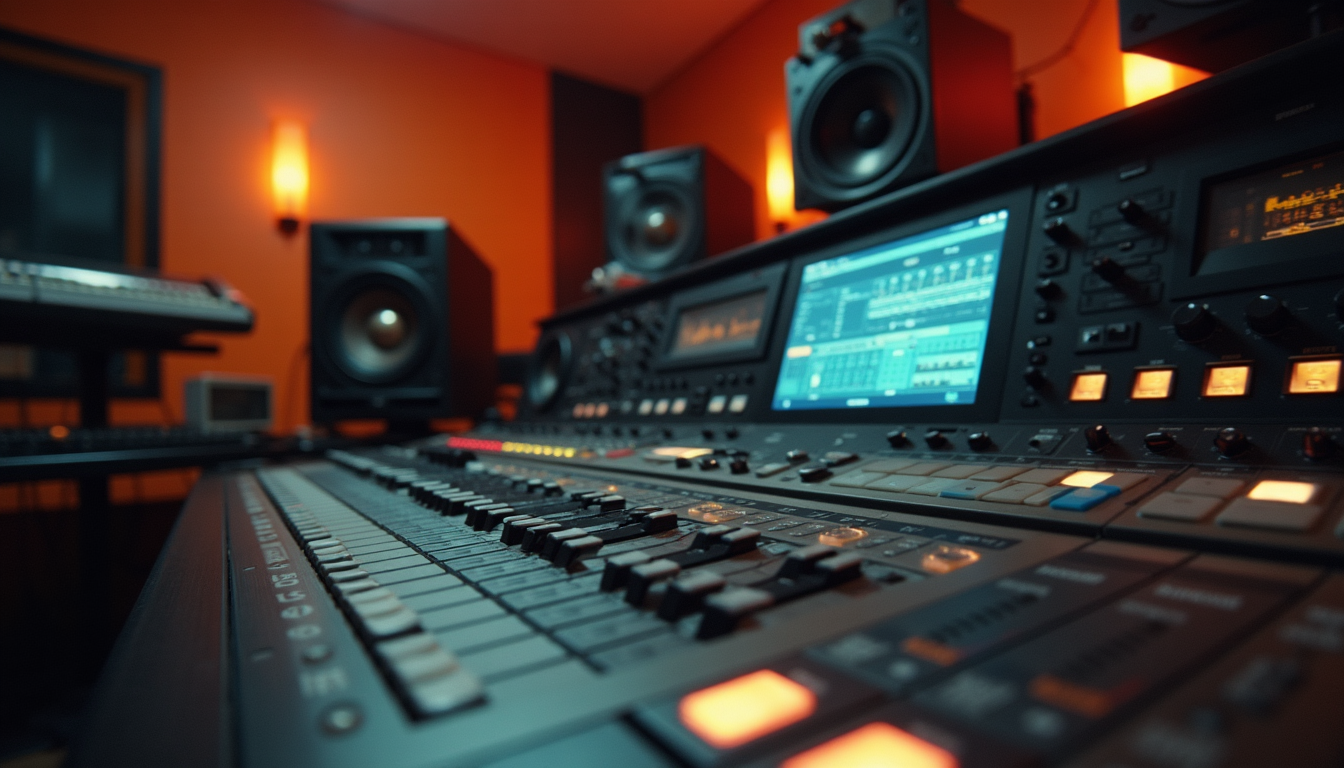
A well-equipped home studio is essential for any musician. Here are some tips to create an effective workspace:
Choose the Right Space
Acoustic Treatment: Use foam panels, bass traps, and diffusers to minimize unwanted reflections and echoes in your recording space.
Isolation: Ensure your recording area is isolated from external noise. This can be achieved by using heavy curtains, carpets, or even soundproofing materials.
Essential Equipment
Audio Interface: Invest in a quality audio interface to connect your instruments and microphones to your computer.
Monitors: Use studio monitors instead of regular speakers for accurate sound reproduction.
Headphones: A good pair of closed-back headphones is essential for monitoring recordings without bleed.
Recording Techniques
Once your studio is set up, it's time to focus on recording techniques that can enhance your tracks.
Layering Sounds
Layering involves recording multiple tracks of the same instrument or vocal to create a fuller sound. Here’s how to do it effectively:
Vary the Performance: Record each layer with slight variations in timing or dynamics to add depth.
Use Different Microphones: Experiment with different mic placements and types to capture unique tones.
Proper Gain Staging
Gain staging is crucial for preventing distortion and ensuring a clean recording. Follow these steps:
Set Levels: Keep your input levels below 0 dB to avoid clipping. Aim for peaks around -6 dB to -12 dB.
Monitor Levels: Use your DAW’s meters to keep an eye on levels during recording.
Mixing Your Tracks
Mixing is where the magic happens. It’s the process of blending all your recorded elements into a cohesive final product.
Balance and Panning
Volume Levels: Start by adjusting the volume levels of each track to create a balanced mix. Use reference tracks to guide your decisions.
Panning: Spread your sounds across the stereo field. For example, pan guitars slightly left and right to create space.
EQ and Compression
Equalization (EQ): Use EQ to carve out space for each instrument. For instance, cut low frequencies from vocals to prevent muddiness.
Compression: Apply compression to control dynamics and add sustain. Be careful not to over-compress, as this can squash the life out of your tracks.
Mastering Your Music
Mastering is the final step in audio production, ensuring your track sounds polished and ready for distribution.
Preparing for Mastering
Final Mix: Ensure your mix is as close to perfect as possible before mastering. This includes checking levels, EQ, and effects.
Reference Tracks: Compare your track to professionally mastered songs in a similar genre to gauge its quality.
Mastering Techniques
Use a Limiter: A limiter can help increase the overall loudness of your track without causing distortion.
Check on Different Systems: Listen to your mastered track on various playback systems (headphones, car speakers, etc.) to ensure it translates well.
Continuous Learning and Experimentation
Audio production is an ever-evolving field. Here are some ways to keep improving your skills:
Online Resources
Tutorials: Websites like YouTube and Skillshare offer countless tutorials on specific techniques and software.
Forums: Join online communities like Gearslutz or Reddit’s r/audioengineering to share knowledge and ask questions.
Experiment with New Techniques
Don’t be afraid to try new things. Experimenting with different production techniques can lead to unique sounds and styles.
Conclusion
Improving your audio production skills is a journey that requires practice, patience, and a willingness to learn. By understanding the basics, setting up a proper studio, mastering recording and mixing techniques, and continuously seeking knowledge, you can create music that stands out. Remember, the key to success in audio production is not just technical skills but also your creativity and passion for music. So, get out there, experiment, and let your sound shine!

Comments